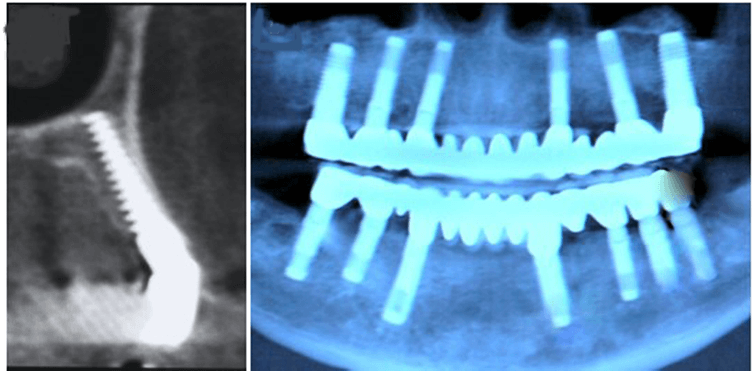
Elevates the sinus floor to create additional bone space in the upper jaw.
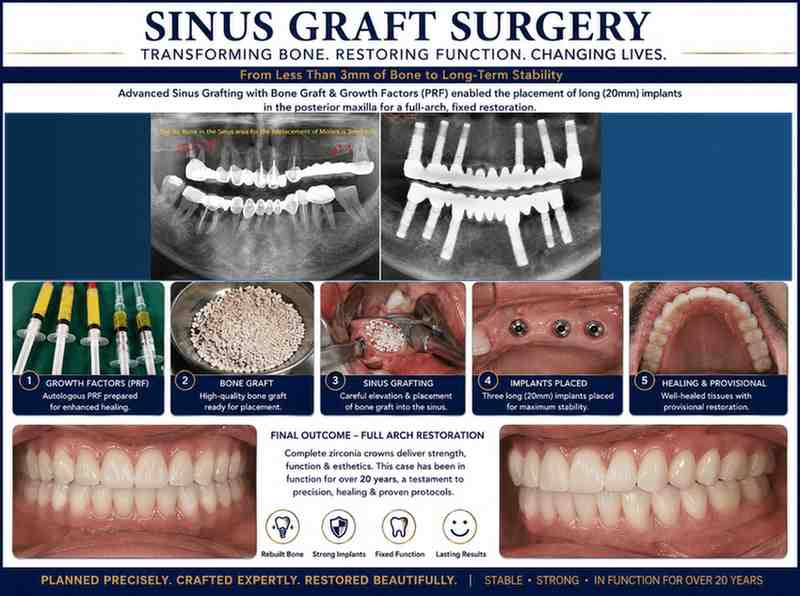
In many cases, the upper back jaw lacks sufficient bone in both quality and quantity to support dental implants. This is especially true in instances of:
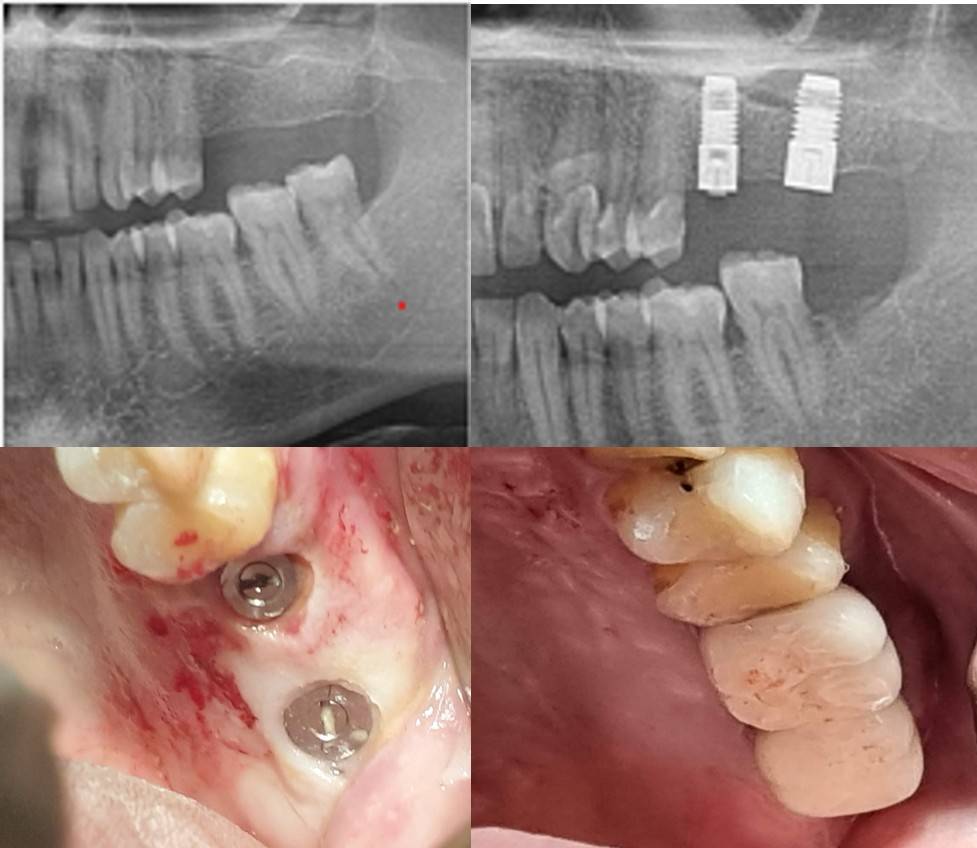
The sinus is gently lifted, and new bone is added to make the area stronger.
Healing takes 4–12 months, but implants can sometimes be placed at the same time.
Why It’s Great: This simple step ensures your implants stay secure and last a lifetime, all with little discomfort.
Bringing the Jaw Back to Life
Bone loss from gum disease, dentures, or injuries can make it hard to place implants and affect your smile.
The gums are carefully opened, and the area is filled with bone material to rebuild the jaw.
Healing takes 4–12 months, but sometimes implants can be placed right away.
It restores your natural look and ensures your implants are strong, functional, and built to last.
Many people who have lost the back teeth in their upper jaw do not have enough bone for implants to be placed. Sinus lift procedures offer the possibility to create sufficient bone under the sinus to place dental implants towards the back of the upper jaw. The bone is added between your jaw and the sinuses. The timeframe from this procedure to dental restoration varies from six to 12 months, but can be longer.
The sinuses in the upper jaw are air-filled spaces lying next to the nose, above the upper premolar and molar teeth, and below the eye. The bone inside the sinuses is lined by a thin membrane. This lining is raised or ‘lifted’ in sinus lift procedures to create space for bone and dental implants. Sinus lifts are performed either before or at the same time as implant placement.
There are two main groups of procedures based on the amount of existing bone at the planned implant site:
Grafting material will be added from the cheek side of your sinus to raise the membrane. The dental implant will not normally be placed until the bone has healed, and you will need another surgical procedure for this.
Grafting material will be added from the cheek side of your sinus to raise the membrane. Your dental implant can be placed at the same time.
Your sinus will be raised by gently tapping through the implant preparation site in your mouth. Grafting material might be pushed through the implant preparation site and your dental implant will be placed at the same time.
Bone grafting materials from yourself, other human, animal, and synthetic sources are available. The graft material creates a scaffold for your own bone to grow into. This process may take four to 12 months.
In normal healing, you should expect:
pain to be controlled with simple painkillers such as ibuprofen and paracetamol
bruising over the cheek and spreading over lower jaw
to feel better after stitches are removed in 10 days’ time
swelling to be at its worst after two days
to feel back to normal after two to three weeks
Problems that may happen straight away
Problems that may happen later
Problems that are rare, but serious
Minimising the risks
Conventional dental implants may not be possible towards the back of the upper jaw. Sinus lift surgery is completely elective and, after considering the possible alternatives (see below) the decision to proceed is entirely yours. Your dentist will discuss all the options to replace your missing teeth again including a denture or a bridge, and the option of no tooth replacement, so that you can decide how to proceed.
The most common alternatives to sinus lifts include the following.
Eat and drink as normal before procedures with local anaesthetic and sedation.
Take your usual medications.
Take the same painkillers you would take for headaches, e.g. Ibuprofen, before the sinus lift.
Bring any retainers your dentist gave you to wear during your scan before the sinus lift.
Arrive by your allotted appointment time.
Most sinus lift procedures are performed with you awake using local anaesthesia to numb the area. Sedation with local anaesthetic, or use of general anaesthetic, are used only when surgery will be difficult or when multiple procedures are required.
The procedure may take 45 minutes to two hours to perform depending on the complexity. We might give you antibiotics just before the sinus lift. You will not need to arrange an escort to take you home unless sedation or general anaesthetic is used.
We want to involve you in all the decisions about your care and treatment. If you decide to go ahead with treatment, by law we must ask for your consent and will ask you to sign a consent form. This confirms that you agree to have the procedure and understand what it involves.
Staff will explain the risks, benefits and alternatives before they ask you to sign a consent form. If you are unsure about any aspect of your proposed treatment, please do not hesitate to speak with a senior member of staff.