If you have been living with a misaligned jaw, an uneven facial profile, difficulty chewing or breathing or a bite that simply never feels right, corrective jaw surgery could be the procedure that resolves what braces alone never can. At Qureshi Dental Centres, our orthognathic surgery team combines surgical precision with orthodontic expertise to deliver outcomes that are as functional as they are transformational.
Welcoming Patients From Across Pakistan and Worldwide
Corrective jaw surgery, clinically known as orthognathic surgery, is a specialist surgical procedure that realigns the upper jaw, lower jaw or both, to correct skeletal discrepancies that cannot be resolved through orthodontic treatment alone.
Orthognathic surgery corrects the underlying skeletal cause, not just the visible symptoms. The results are permanent, functional and life-changing.
Wondering Whether Corrective Jaw Surgery Is Right for You? Let Our Specialists Take a Look
Jaw misalignment is most commonly developmental, meaning it occurs as the face and skull grow during childhood and adolescence. Common underlying causes include:
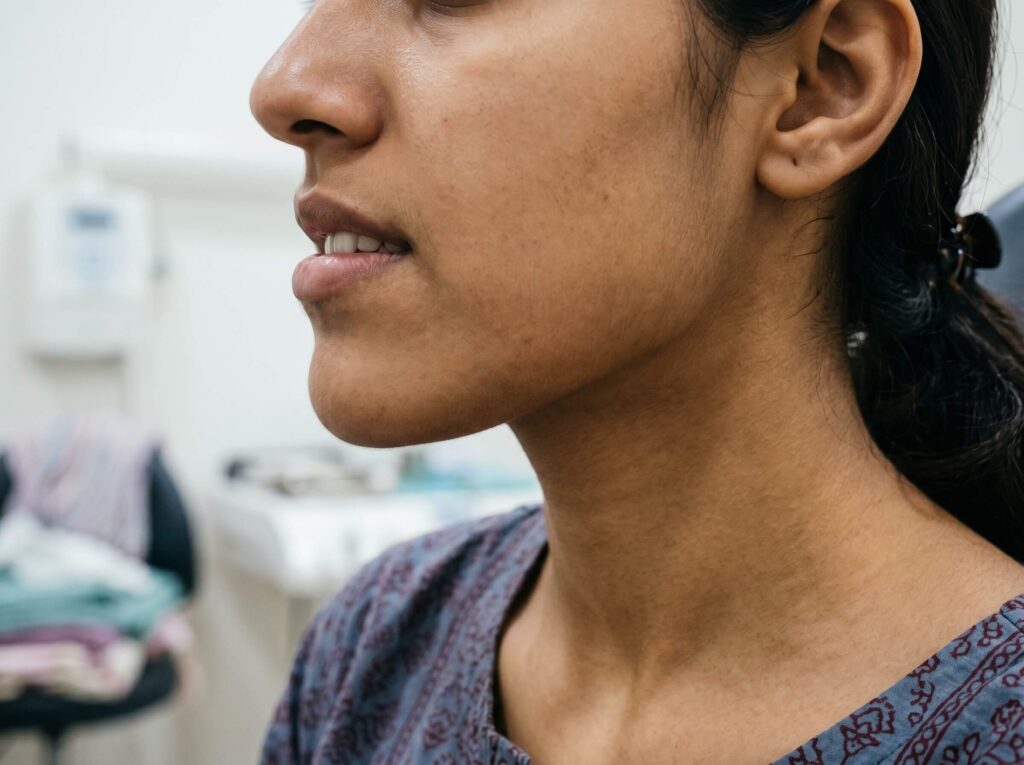
One or both jaws grow excessively, causing the teeth and facial profile to protrude beyond normal proportions.
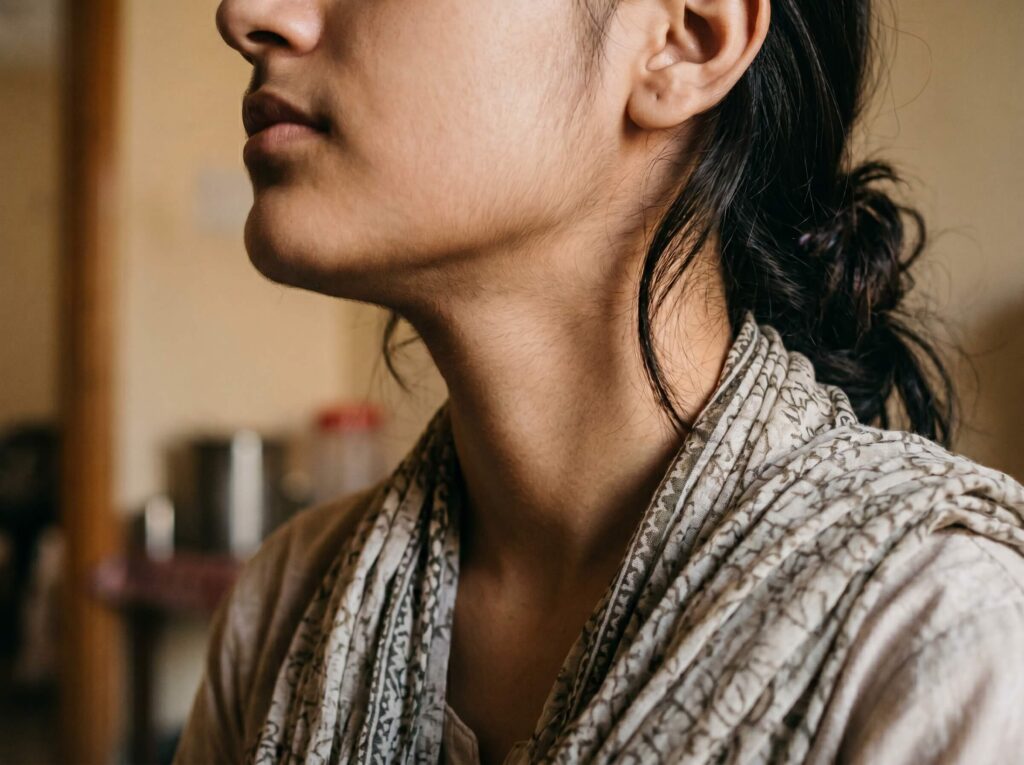
Insufficient growth of the upper or lower jaw creates a recessed chin, underbite or profile imbalance that affects both function and appearance.
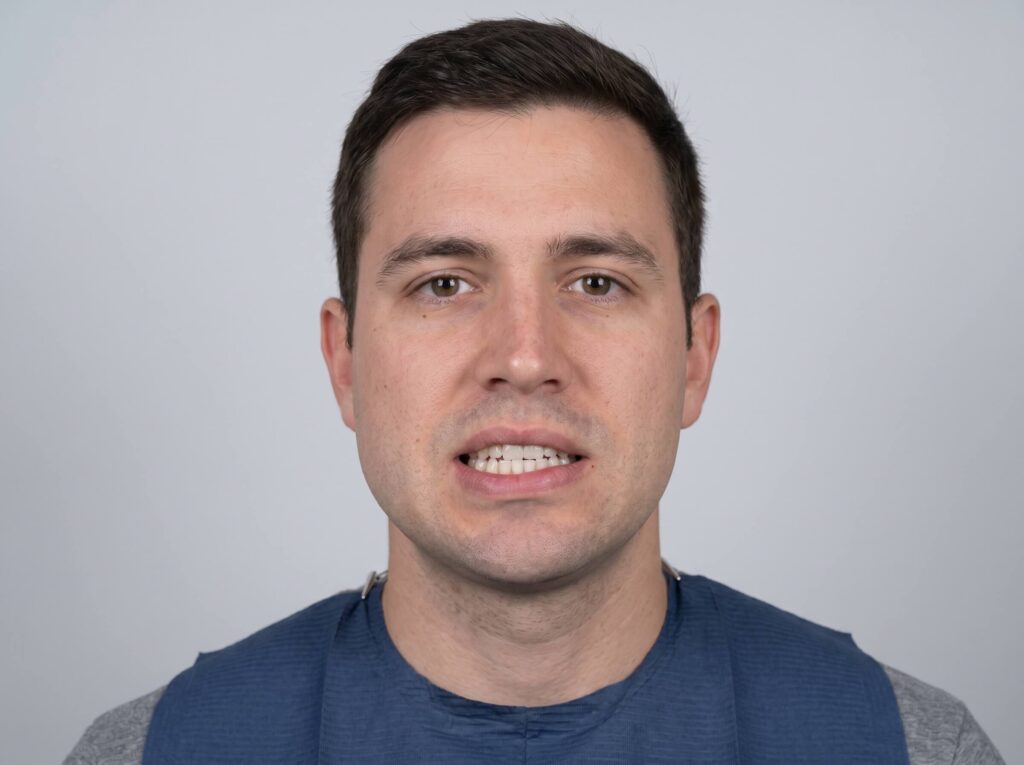
Uneven growth on the left and right sides of the jaw produces a facial imbalance that is visible in the chin, midface and bite.

Craniofacial syndromes such as cleft lip and palate often involve jaw discrepancies that require surgical correction as part of a wider treatment plan.

In certain cases, chronic jaw joint dysfunction is directly related to skeletal misalignment and corrective jaw surgery for TMJ is the most definitive long-term solution.
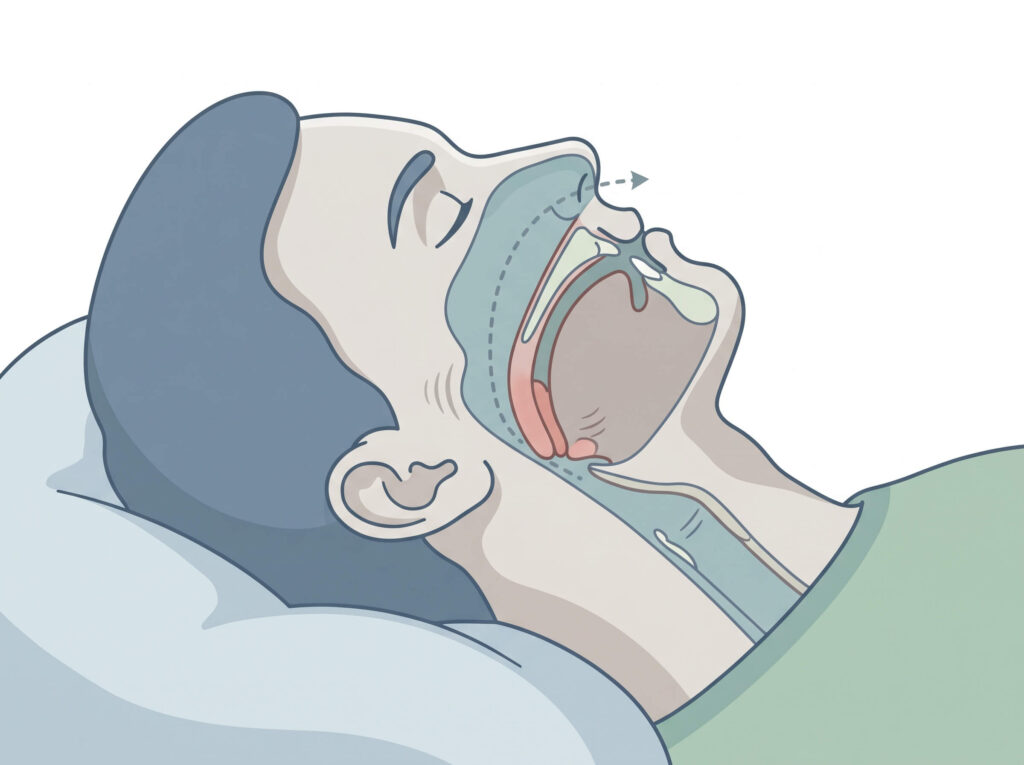
Specific jaw and facial skeletal patterns can narrow the airway significantly during sleep. Orthognathic surgery is one of the most effective interventions for OSA in appropriate candidates.
Concerned About Jaw Misalignment? Get a Proper Diagnosis at QDC
Orthognathic surgery is one of the most technically complex procedures in the field of oral and maxillofacial surgery. Outcomes depend entirely on the expertise of the surgical team, the precision of the planning process and the quality of the integrated orthodontic care surrounding it. QDC leads in all three.
Four generations of trusted, specialised dental and surgical care in Lahore
At QDC, orthognathic surgery is seamlessly coordinated with your orthodontic treatment, braces before and after surgery, under one roof, by specialists who work as a unified team
We use three-dimensional imaging and digital planning tools to map your jaw movements precisely before any surgery takes place, so your outcome is planned, not estimated
Our surgical team has managed orthognathic cases across the full spectrum, from simple single-jaw corrections to complex craniofacial and cleft-related reconstructions
We recommend treatment at the right stage of facial development, typically late teenage years or early adulthood and tailor every plan to the individual patient's anatomy, goals and life stage
Whether you are a young adult at the ideal treatment stage or seeking correction later in life, QDC builds a plan around your specific situation.
Our 7x Safety Protocol and 4-Step Sterilisation Process ensure a fully sterile, controlled surgical environment at every stage.
Trust Pakistan’s Most Experienced Dental and Surgical Team With Your Care
The impact of orthognathic surgery extends well beyond the operating theatre. Patients consistently describe it as one of the most significant health and quality-of-life decisions they have ever made:
The specific procedure or combination of procedures recommended for you depends on which jaw or jaws require correction and the nature of the skeletal discrepancy involved.
The upper jaw is surgically repositioned, moved forward, backward, upward, downward or rotated to correct the relationship between the upper teeth and the rest of the face and is commonly used for underbites, open bites and vertical jaw excess.
The most widely performed orthognathic procedure. The lower jaw is precisely cut and repositioned to correct underbites, overbites, or chin projection imbalances and fixed with small titanium plates and screws.
When both the upper and lower jaws require repositioning simultaneously. This is the most comprehensive form of orthognathic surgery and delivers the most significant functional and aesthetic improvements for patients with complex skeletal discrepancies.
Surgical repositioning of the chin to improve facial balance and profile harmony. Often performed in combination with upper or lower jaw surgery for a complete result.
A technique used in cases requiring significant bone lengthening — particularly in younger patients or those with congenital conditions. A device gradually separates bone segments over time, allowing new bone to form in the gap created.
Your specialist conducts a detailed evaluation, including clinical examination, facial photographs, dental records and three-dimensional cone beam CT imaging. This provides a complete understanding of your skeletal anatomy, bite relationship and airway, forming the foundation of your treatment plan.
In most cases, orthodontic treatment is required before surgery, typically lasting twelve to eighteen months. This stage aligns the teeth within each jaw so they fit together correctly once the jaws are surgically repositioned.
Using advanced imaging data, your surgical and orthodontic team collaborates to plan the precise jaw movements digitally before the procedure. Surgical guides and models are created to ensure every movement accurately reflects the treatment plan.
Corrective jaw surgery is performed under general anaesthesia in a hospital setting. All incisions are made inside the mouth, leaving no visible scars. The jaws are repositioned according to the treatment plan and secured with titanium plates and screws. Surgery typically takes between two and five hours.
Most patients spend one to three nights in hospital following surgery. Swelling and jaw stiffness are expected during the early healing phase and gradually improve over the following weeks. A soft diet is generally required for six to eight weeks while the bones heal.
Once the jaws have healed, the final phase of orthodontic treatment begins. Typically lasting six to twelve months, this stage refines the bite and positions each tooth precisely within the newly aligned jaw structure.
Retainers are provided to maintain your orthodontic result. Long-term follow-up with your specialist helps ensure your surgical and orthodontic outcomes remain stable, functional and aesthetically balanced for years to come.
Your Journey to a Correctly Aligned Jaw Starts Here
You may be the right candidate if you relate to any of the following:
Our specialists will confirm your suitability during the initial consultation and guide you towards the most appropriate treatment path.
Think Corrective Jaw Surgery Could Be Right for You? Find Out at QDC
Cost depends on the complexity of the case, the number of jaws being treated, the length of the pre- and post-surgical orthodontic treatment, and whether hospital fees are involved. QDC provides a full, transparent cost breakdown during your consultation with no hidden charges. Contact us directly for current pricing details.
Yes. When TMJ dysfunction is caused or worsened by skeletal jaw misalignment, an underlying cause that splints, physiotherapy and medication cannot resolve, orthognathic surgery addresses the root structural problem. Many patients experience significant or complete relief from chronic TMJ pain following corrective jaw surgery.
Orthognathic surgery is a specialist procedure that surgically repositions the upper jaw, lower jaw or both to correct skeletal misalignment. Unlike procedures that address only teeth or soft tissue, orthognathic surgery moves the actual bone, delivering permanent correction of bite, facial profile and function that no other treatment can achieve.
Most patients return to light daily activity within two to four weeks. A soft diet is maintained for six to eight weeks. Swelling fully resolves within three to six months, at which point the final aesthetic result becomes visible. Full bone consolidation is complete within six to twelve months.
The changes vary by case but consistently include improved facial balance, a more harmonious profile, corrected chin projection and a natural resting bite. At QDC, digital planning allows us to show you a projected visual of your expected outcome before surgery begins. We are also happy to share relevant before and after cases during your consultation.
Yes. QDC welcomes international patients and patients travelling from other cities across Pakistan. We are experienced in coordinating phased treatment plans, including the orthodontic and surgical phases, for patients who require flexible scheduling. Contact our team, and we will build a plan around your situation.