Rebuild the Foundation Your Implants and Your Smile Deserve
If you have been told you do not have enough bone for a dental implant, or that bone loss is affecting your oral health, a dental bone graft could be the procedure that opens the door to every treatment option you thought was off the table. At Qureshi Dental Centres, our bone grafting procedures are clinically precise, minimally invasive and carried out by specialists who understand that rebuilding bone is not just a surgical step, it is the foundation of your entire long-term dental health.
Welcoming Patients From Across Pakistan and Worldwide.
A dental bone graft is a surgical procedure that rebuilds or augments the jawbone where natural bone has been lost or is insufficient. Bone loss in the jaw is more common than most patients realise and it can happen as a result of tooth extraction, gum disease, injury or simply the passage of time.
A dental bone graft does not just repair what is lost. It restores what is possible.
Wondering Whether You Need a Bone Graft? Let Our Specialists Take a Look
Jawbone loss is a direct consequence of several common dental conditions and events. Understanding the cause helps our team plan the most effective grafting approach for your specific situation.

When a tooth is removed and not replaced promptly, the bone that once surrounded the root begins to resorb, sometimes rapidly in the first six to twelve months.
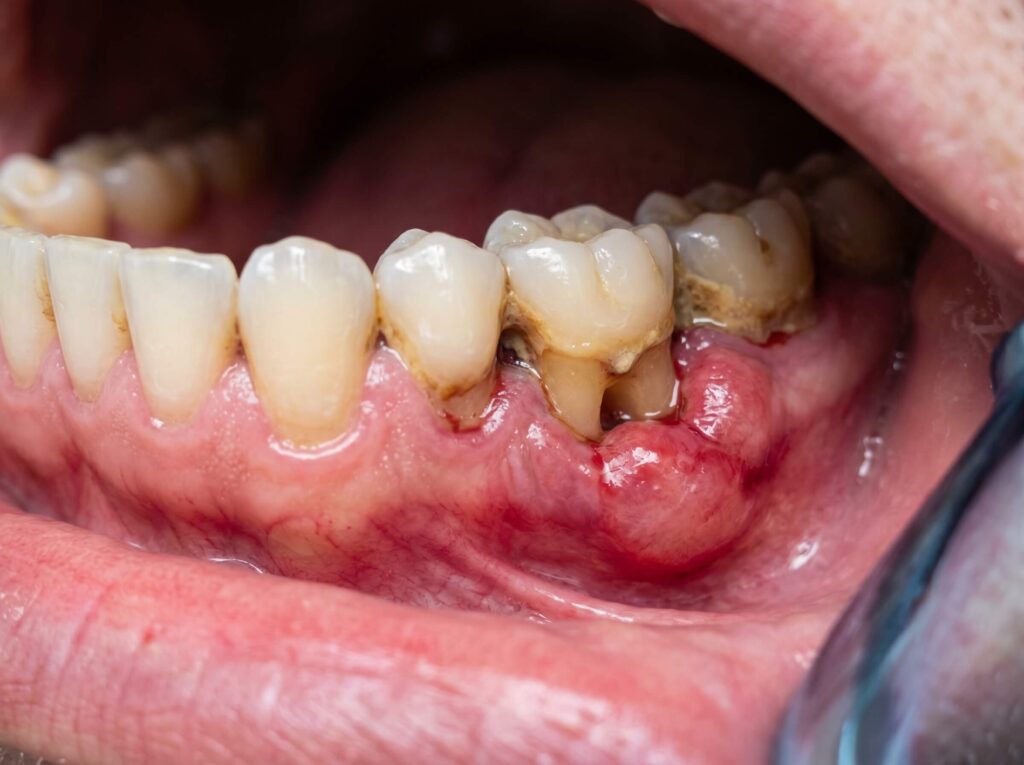
Advanced gum disease destroys the bone and tissue supporting the teeth. A periodontal bone graft is often needed to restore what the infection has eroded.
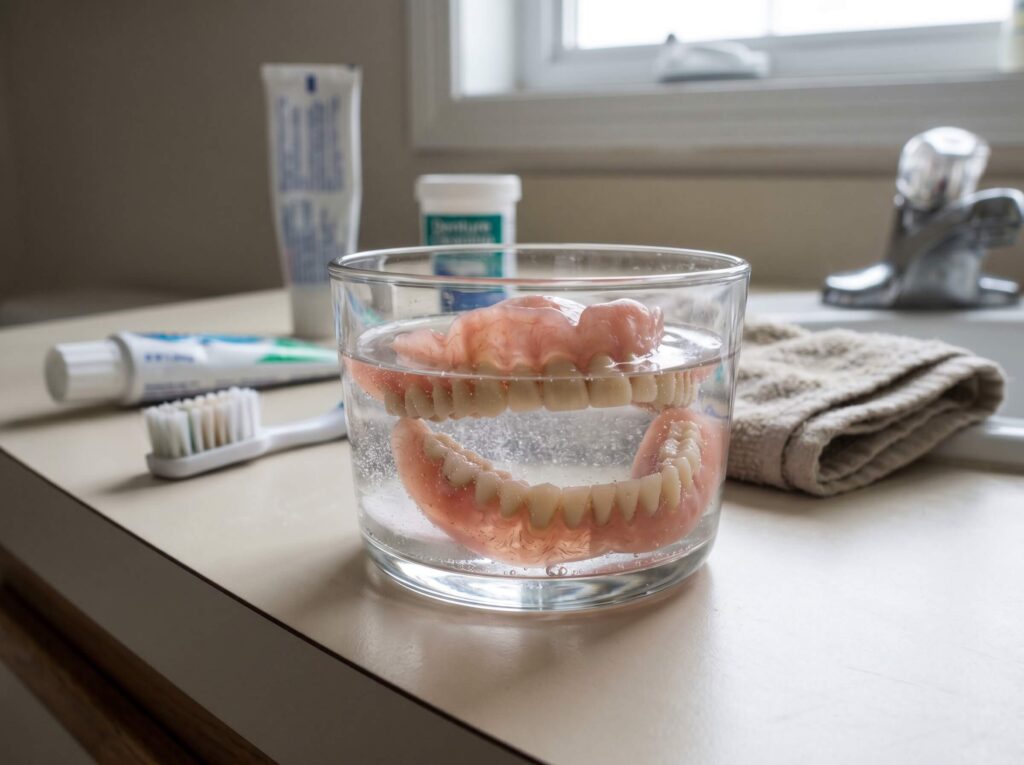
Dentures do not stimulate the jawbone the way natural tooth roots do, leading to gradual bone resorption beneath the denture.
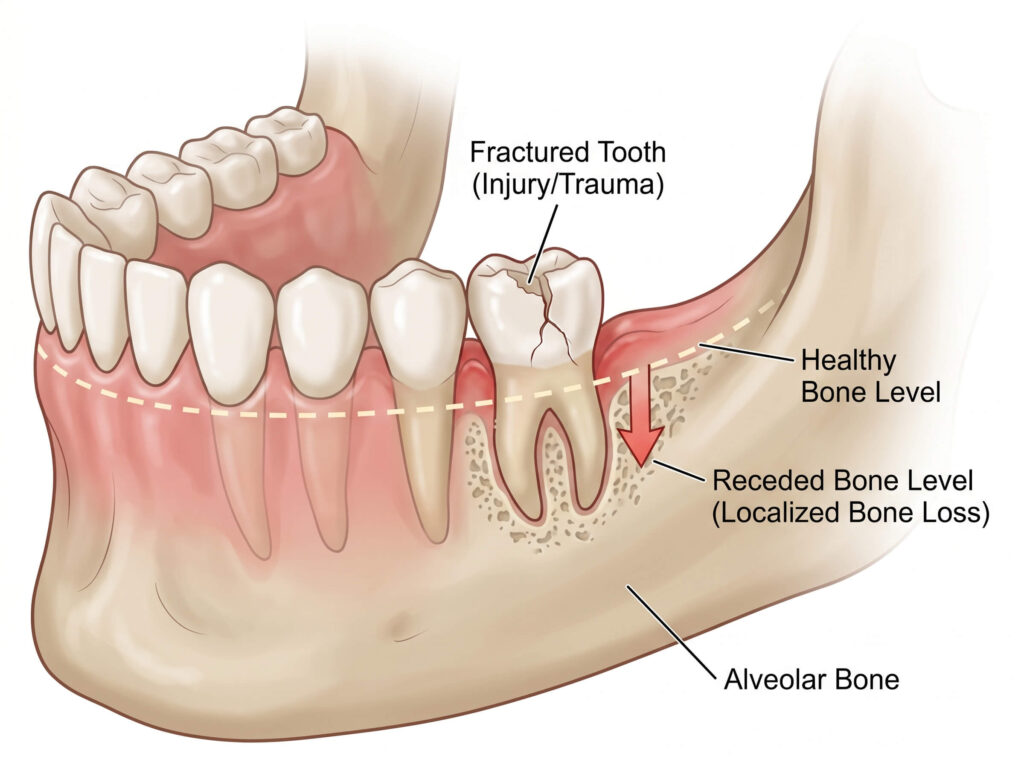
Facial trauma, failed dental work or cracked and fractured teeth can all lead to localised bone loss over time.

Some patients are born with insufficient bone volume in certain areas of the jaw.
Whatever the cause, the critical point is this: bone loss is progressive. The longer it goes unaddressed, the more complex the treatment required. Early diagnosis and timely bone grafting give you the best outcomes and the most options.
Concerned About Bone Loss? Get a Proper Diagnosis at QDC
Bone grafting is among the most technically demanding procedures in modern dentistry. The outcome depends entirely on clinical expertise, the quality of materials used and the precision of surgical technique. At QDC, all three are held to the highest standard.
Four generations of trusted, specialised care in Lahore with a surgical team experienced in complex bone regeneration cases
We use the most current and clinically validated grafting methods, tailored to the location, extent and cause of your bone loss
QDC uses only certified, biocompatible bone graft materials and membranes from internationally approved sources
Cone beam CT imaging and detailed clinical evaluation ensure your treatment plan is precise before a single incision is made.
Bone grafting at QDC is never performed in isolation — it is always coordinated with your broader implant or restorative treatment plan for seamless results.
Our 7x Safety Protocol and 4-Step Sterilisation Process ensure a fully sterile surgical environment at every stage.
Trust Pakistan’s Most Experienced Dental Team With Your Treatment.
A dental bone graft is not simply a preparatory step for implants. It is a clinically significant procedure with benefits that extend across your entire oral health:
Restores the bone volume needed for successful dental implant placement
Halts progressive bone loss before it causes further
structural damage
Preserves facial contour, creates the conditions for long-term implant stability and success
Improves the fit and stability of existing dentures by restoring ridge volume
Treats bone defects caused by periodontal disease, giving diseased sites a genuine chance at recovery
Supports neighbouring teeth, preventing the drift and instability that bone loss causes around adjacent teeth
Ready to Rebuild Your Foundation?
The classification of bone grafts is based on the source of the graft material. Each type has specific clinical advantages, and your QDC specialist will recommend the most appropriate option based on your case.
Bone is harvested from another site in your own body, commonly the chin, jaw ramus or tibia. Considered the gold standard as it carries live bone cells and the highest regenerative potential. Best for larger defects requiring significant volume.
Sourced from a certified human tissue bank, allografts eliminate the need for a donor site in your own body. Widely used, clinically proven and available in a range of forms, particulate, block or putty, depending on the defect being treated.
Typically bovine (cow) in origin, xenografts are processed to remove all organic material, leaving a highly biocompatible mineral scaffold that supports new bone formation. Commonly used for socket preservation and sinus lifts.
Entirely synthetic, biocompatible materials, such as hydroxyapatite or calcium phosphate, that act as a scaffold for bone regeneration. No donor site required and no risk of disease transmission.
In many cases, a resorbable or non-resorbable membrane is placed over the graft site. This barrier membrane plays a critical role in guided bone regeneration — preventing soft tissue from growing into the graft space and allowing bone cells to regenerate undisturbed.
Every bone grafting procedure at QDC follows a structured, evidence-based process to ensure safety, precision and predictable outcomes.
Your specialist conducts a full clinical assessment, including cone beam CT (CBCT) scanning, to evaluate the exact extent, location and depth of bone loss. This imaging guides every decision in your treatment plan.
Based on your imaging and clinical findings, your QDC specialist selects the most appropriate graft type, technique and membrane for your specific defect. If bone grafting is being performed in preparation for implants, the full implant treatment timeline is mapped out at this stage.
The procedure is performed under local anaesthesia, with sedation available for anxious patients. The graft site is carefully prepared, the bone graft material is placed and secured and, where required, a membrane is positioned to protect the regenerating area. The site is then sutured closed. Most procedures take between forty-five minutes and two hours, depending on complexity.
This is the most important phase. The graft integrates with your natural bone over a period of three to nine months, depending on the size of the graft and the area being treated. During this time, your body's own cells gradually replace and reinforce the graft material, building new, living bones.
Once healing is confirmed through follow-up imaging, your QDC specialist will determine whether the regenerated bone is ready for implant placement or the next phase of your restorative treatment.
Your Stronger Foundation Starts Here.
Bone grafting at QDC is recommended for patients who:
If you are unsure whether bone grafting applies to your situation, our team will evaluate you thoroughly and give you a clear, honest clinical picture.
Think Bone Grafting Could Be Right for You? Find Out at QDC
A dental bone graft is a procedure that rebuilds lost jawbone using graft material to restore volume and density. It is performed under local anaesthesia, so there is no pain during the procedure. Post-operative discomfort is mild and manageable with standard pain relief. Most patients find the recovery far more straightforward than they expected.
Not every implant patient requires a bone graft. It is needed when the jawbone in the implant site lacks sufficient volume or density to hold an implant securely. A cone beam CT scan at QDC will confirm whether grafting is necessary before any implant treatment is planned.
A dental bone graft is a broad term covering any procedure that restores jawbone volume, typically in preparation for implants or following extraction. A periodontal bone graft specifically addresses bone loss caused by gum disease, rebuilding the bone around existing teeth to restore support and prevent further tooth loss.
Soft tissue heals within one to two weeks. Full bone regeneration and consolidation, the point at which the site is ready for implants, takes between three and nine months, depending on the size of the graft and the area treated. Your QDC specialist will monitor your healing at every stage.
A bone graft membrane is a thin barrier placed over the graft site during guided bone regeneration. It prevents soft tissue from growing into the graft space, which would interrupt bone formation — and creates a protected environment where new bone can develop undisturbed. Some membranes dissolve naturally; others are removed at a later stage.
Yes. QDC welcomes patients from across Pakistan and internationally. Our team is experienced in coordinating treatment plans for patients travelling from abroad, including phased treatment timelines that accommodate travel schedules. Contact us to discuss your situation, and we will create a plan that works for you.